
The Magazine

Natural Skincare for Men: A Smarter Approach to Everyday Self-Care Men’s skincare is no longer treated as an unusual indulgence. It has become a practical part of modern self-care, shaped by greater awareness of skin health, personal wellbeing, responsible consumption, and the long-term effects of daily habits. More men are now looking beyond the traditional bar of soap and aftershave. They want products that feel comfortable, work efficiently, contain understandable ingredients, and fit into a straightforward routine. At the same time, interest in sustainability and ingredient transparency is changing what consumers expect from the personal-care industry. The result is a more mature approach to male grooming—one focused less on outdated stereotypes and more on healthy skin, comfort, confidence, and informed choices. Why Men’s Attitudes Toward Skincare Are Changing
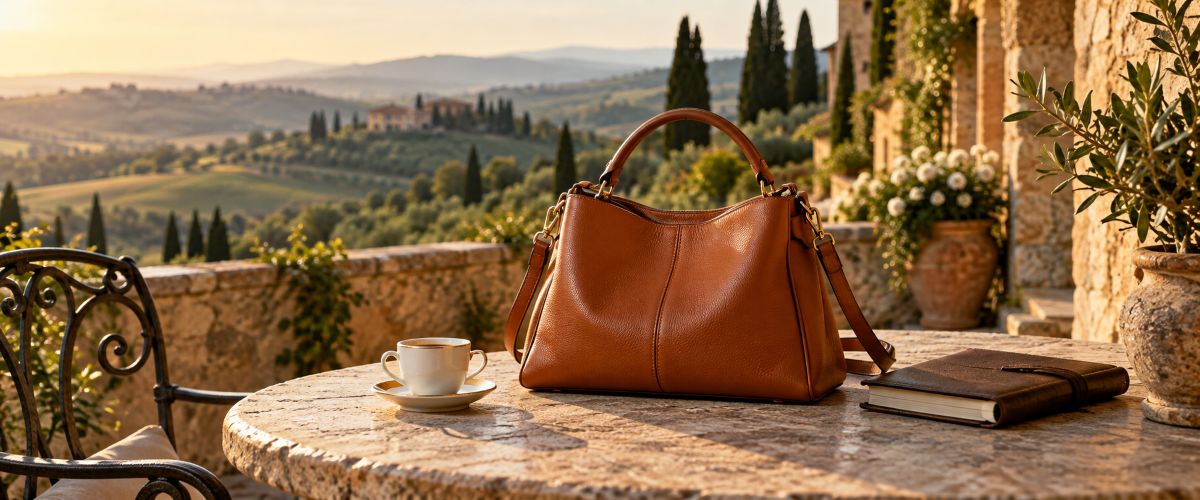
Before buying a leather bag you hope to use for years, ask what happens if a handle, zip or strap fitting needs attention. Material quality matters, but a useful long-term choice also depends on construction, access to parts and the service available after purchase. A reassuring description such as handmade or premium does not answer those questions by itself. Repairability is not a promise that every problem can be fixed. It is a practical conversation about the bag's design and the support available if something wears, breaks or becomes damaged. Identify the parts that are likely to need attention Look at handles, strap anchors, zip pulls, closures, corners and the lining. These areas have different jobs and may require different repairs. A detachable strap can be simple to replace when compatible fittings are available, while a handle built into a panel may involve more extensive work. Ask about the actual model rather than a brand's general reputation. Two bags from the same maker may use different hardware, edge finishes or methods of attaching their straps. Ask whether replacement components are available Find out whether the seller can supply straps, buckles or other model-specific fittings. Ask how a replacement is ordered and whether colours and finishes can be matched. Availability today does not guarantee indefinite availability, so avoid treating a vague assurance as a lifetime commitment. Generic hardware may sometimes work, but compatibility involves size, shape, attachment and load as well as appearance. A similar-looking clip is not automatically a suitable replacement. Understand how repairs would be assessed Does the seller offer an assessment service, refer customers to an independent repairer or provide no repair arrangement? Ask whether photographs can establish an initial scope and whether the bag must be sent away before a quotation is possible. Clarify transport costs, likely communication steps and whether an assessment itself carries a fee. Timings and prices depend on the repair, so request an estimate for a defined problem rather than an open-ended promise. Look beyond the exterior panel A worn lining or inaccessible seam may influence the work required even when the leather body looks sound. Ask whether the construction allows a professional to reach the affected area without dismantling much of the bag. Do not pull apart panels or remove stitches to investigate. Photographs of stitching, handle attachments and the interior can help you ask better questions. They cannot prove the ease or quality of a future repair on their own. Separate warranty terms from paid repair options Read the seller's written terms for the purchase and ask what service is available outside them. A paid repair service is different from a promise to cover every issue, and normal wear may be treated differently from a manufacturing problem. Keep the purchase record and any care instructions. Avoid unauthorised modifications before asking the seller or a specialist for advice, particularly when you may want the original construction assessed. Consider appearance as well as function A repair may restore useful carrying without making the surface look new. Replacement leather, thread and hardware may differ from aged components. Ask what result is realistic, whether matching materials exist and what will remain visible. That trade-off may be perfectly acceptable on a much-used bag. Decide what matters to you before authorising work rather than expecting an invisible restoration by default. Questions before checkout Can the strap or handle be replaced on this model? Are compatible parts available and how are they obtained? Who assesses repairs and provides the quotation? What care and purchase records should I retain? What appearance changes might repair involve? Does handmade always mean easier to repair? No. Construction and access to suitable service matter more than the label alone. Should I attempt a loose seam repair myself? Ask a qualified repairer to assess it before puncturing the leather or changing the stitching. Our guide to leather products covers materials and construction. Explore leather bags and leather business bags for related buying guidance. Good questions before purchase make later decisions clearer.
A leather bag can spend weeks on a shelf between outings. How it rests matters: a heavy object leaning on its side, a sharply folded strap or damp contents left inside can create problems that are easy to miss until the next use. Good storage begins with a clean, dry bag and gentle support for its intended shape. Use the manufacturer's instructions as your starting point. Smooth finished leather, suede, metallic finishes and coated surfaces may need different treatment. An attractive storage arrangement should still let you remove the bag without squeezing or scraping it. Empty the bag before putting it away Check every compartment for pens, cosmetics, food, receipts and small heavy objects. Remove detachable organisers if they press against the lining or distort the body. Loose contents can leave pressure marks, leak or transfer colour while the bag is out of sight. Brush away loose interior debris gently, following the lining's care guidance. If the bag is damp, allow it to dry naturally in an airy place away from direct heat before covering it. Do not use a hairdryer or place it against a radiator. Support the outline without stretching it Use clean, colourfast soft fabric or acid-free tissue to support the main compartment lightly. Add enough to prevent the sides collapsing unnecessarily, but stop before the closure strains or seams pull. Avoid newspaper and strongly coloured stuffing that could transfer print or dye. A structured handbag may rest upright on its base. A soft, unstructured design may need a different position so it is not forced into a rigid outline. Follow the maker's guidance and let the construction determine the support rather than filling every bag identically. Let handles and straps rest comfortably For longer storage, avoid suspending a loaded bag by its handles or a narrow shoulder strap. Support the body and arrange straps in a gentle curve without sharp folds. If a strap detaches, remove it only as intended and place it where its fittings will not press into the leather. Check that chain straps, buckles and zip pulls are not trapped against a visible panel. A clean soft cloth can separate contact points, provided it is colourfast and does not shed onto the finish. Choose a breathable cover and a suitable shelf A clean, appropriately sized fabric dust bag can shield the surface from dust and rubbing. Do not pack the covered handbag so tightly that its handles bend. Avoid sealing a damp bag in plastic or placing it in an airtight container. Choose a stable indoor location away from direct sunlight, radiators and damp walls. Leave space between bags instead of stacking heavy pieces on top of one another. A shelf that is easy to inspect is more useful than an overcrowded display you rarely open. Separate overnight storage from a seasonal break For a bag returning to use tomorrow, emptying unnecessary weight and setting it on a safe surface may be enough. Before a longer break, inspect the lining, closures and shape, then check periodically for moisture, odour or marks. Conditioning is not a nightly storage step. Use a treatment only when suitable for the leather, finish and maker's directions, and test as instructed in an inconspicuous area. Persistent mould, staining or a damaged finish calls for specialist advice. Leather bag storage questions Should I fill every pocket? No. Support the body gently; stuffing small pockets can stretch them or create unnecessary pressure. Can I stack handbags to save space? Avoid placing heavy bags on softer ones. Give each piece enough room to preserve its natural outline and protect the surface from rubbing. For material context, explore our guide to leather products. Visit women's leather bags or men's leather bags for guidance on the styles you use. Before the next outing, remove the support and check the bag in daylight.

The Ultimate Guide to Moissanite: Everything You Need to Know In recent years, moissanite has become one of the most popular gemstones for engagement rings, earrings, tennis bracelets, necklaces, and fine jewelry. The reason is easy to understand: it offers exceptional brilliance, impressive durability, an elegant appearance, and a significantly more accessible price than a diamond of a similar size. Whether you are considering buying a moissanite ring or simply want to learn more about this remarkable gemstone, this guide covers the most important facts you should know before making your choice. What Is Moissanite? Moissanite is a gemstone made from silicon carbide. It was first discovered in 1893 by French scientist Henri Moissan while examining mineral samples found near a meteorite crater in Arizona. At first, Moissan believed that he had discovered diamonds. Laboratory testing later revealed that the crystals were made from an entirely different material. Natural moissanite is extremely rare. For this reason, the moissanite gemstones used in jewelry today are created under controlled laboratory conditions. This manufacturing process makes it possible to produce clean, consistent, and beautifully brilliant gemstones without relying on extensive mining. Moissanite vs. Diamond: What Are the Differences? Although moissanite and diamond can appear similar at first glance, they are two different gemstones with their own chemical, optical, and physical properties. Brilliance and Fire Moissanite is known for its intense brilliance and colorful flashes of light. Its refractive index generally ranges from approximately 2.65 to 2.69, compared with around 2.42 for diamond. This means that moissanite can reflect and disperse a large amount of light. Under strong lighting, it may display colorful flashes resembling a rainbow. This optical effect is known as fire. Diamonds usually reflect more white light and produce a classic, crisp sparkle. Moissanite often creates a stronger and more colorful display. Neither appearance is automatically better. The right choice depends on personal taste. Some people prefer the traditional white sparkle of a diamond, while others are drawn to the lively fire of moissanite.
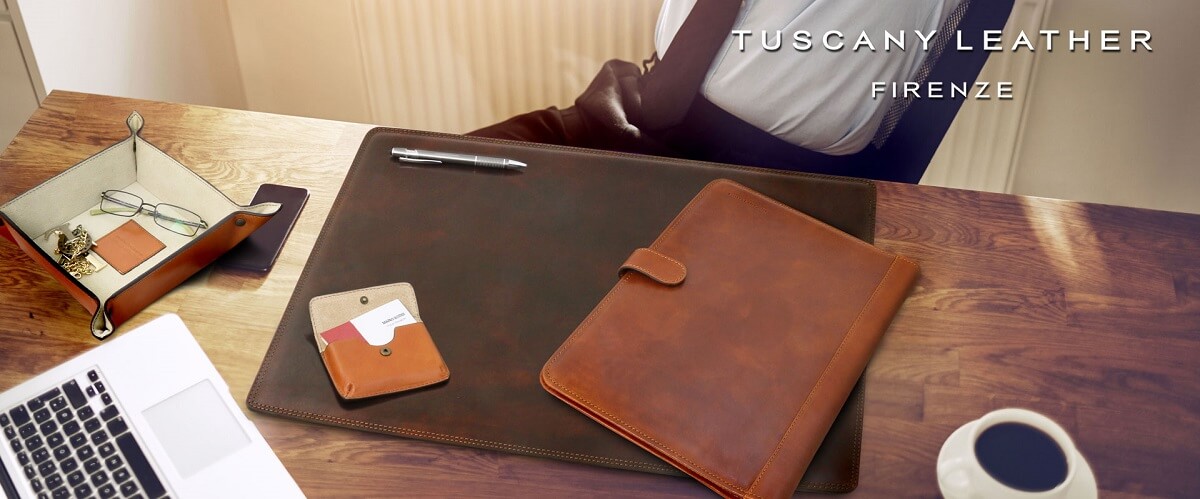
Ultimate Guide to Leather Products: What to Know Before Buying Leather products have always carried a certain kind of quiet confidence. A good leather bag, belt, pair of shoes or jacket does not need to shout. It speaks through texture, structure, durability and the way it ages over time. From everyday accessories to luxury pieces, leather remains one of the most popular materials in the world because it combines beauty with strength. When chosen correctly, a leather product can last for years, sometimes even decades. But not all leather is created equal, and knowing the difference before you buy can save you money, disappointment and a lot of unnecessary guesswork. This guide will help you understand the main types of leather, what to look for in a quality leather product, and how to care for your leather goods so they stay elegant, practical and long-lasting.

Moissanite vs Diamond: The Key Differences You Should Know Moissanite and diamond can look very similar at first glance. Both are clear, brilliant, elegant and luxurious. That is exactly why many people ask the same question: what is the real difference between moissanite and diamond? The answer is simple: they are two different gemstones. A diamond is made of carbon, while moissanite is made of silicon carbide. Each stone has its own character, beauty and advantages. One carries the weight of tradition. The other brings a modern, brilliant and more accessible approach to fine jewelry. Brilliance and Fire
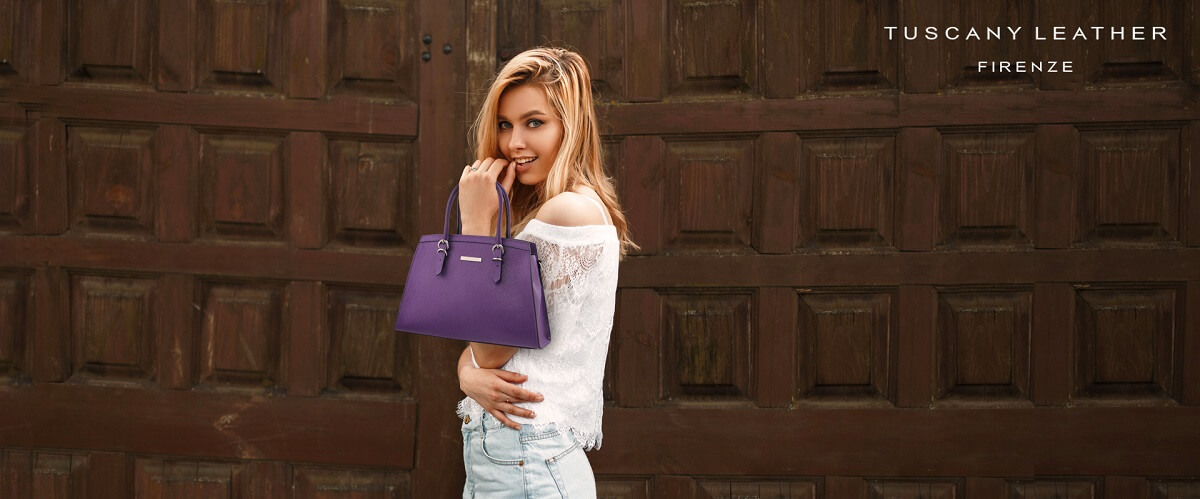
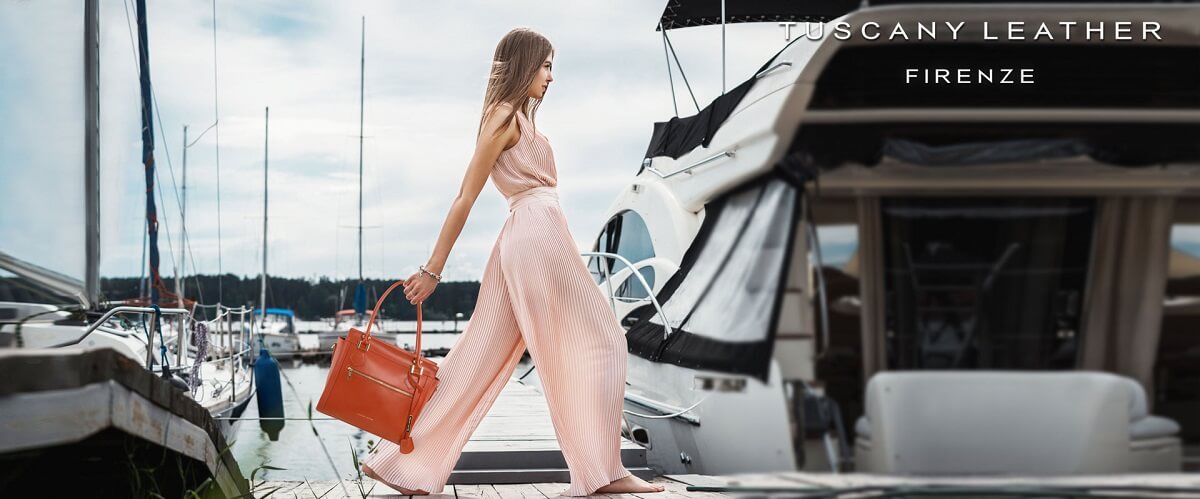
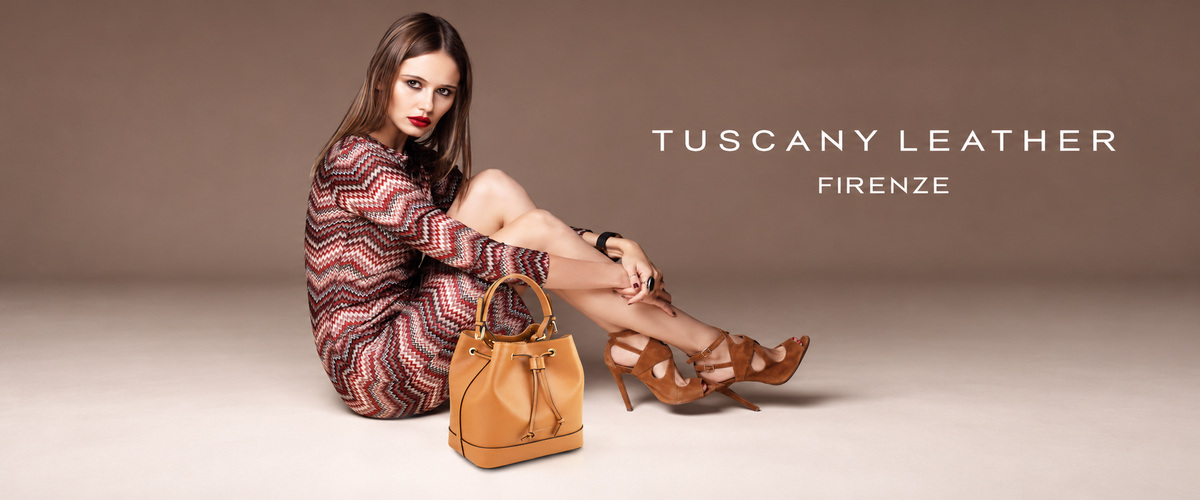
Choosing the Right Leather Bag A women’s leather bag is much more than a fashion accessory. It is a piece that brings together style, practicality, quality, and long-lasting durability. The right bag can accompany you through a busy workday, an important meeting, an evening out, or a short weekend getaway — while still looking precise, elegant, and effortlessly right. Whether you are looking for a comfortable everyday bag, a versatile piece that works for both office hours and leisure time, or an elegant clutch for the evening, choosing the right bag begins with understanding your needs, your personal style, and the quality of the materials. With so many models, colors, sizes, and types of leather available, it is easy to feel overwhelmed. That is why we created this clear guide to help you explore leading styles of women’s leather bags, understand what makes each one unique, and choose the bag that truly fits your lifestyle. Why a Leather Bag Is Always the Right Choice Leather bags have long been considered a symbol of elegance, quality, and refined taste. They blend beautifully with almost any look — from jeans and a white shirt to a tailored dress or a polished work outfit.

In the heart of Italy's rolling hills, olive oil has been much more than a culinary staple for centuries—it has been a sacred beauty elixir. Used by Mediterranean civilizations to maintain a legendary youthful glow, high-quality extra virgin olive oil is one of nature's most potent antioxidants. At Tuscany Glow, we believe that what you put on your body is as important as what you put in it. Tuscan olive oil is uniquely rich in Polyphenols and Vitamin E, which act as a natural shield against environmental damage and premature aging. Why your skin will love it: