
Women's Leather Bags
Explore women's leather bags through practical guides to handbags, shoulder bags and crossbody styles. Compare leather, choose useful sizes and learn everyday care tips.
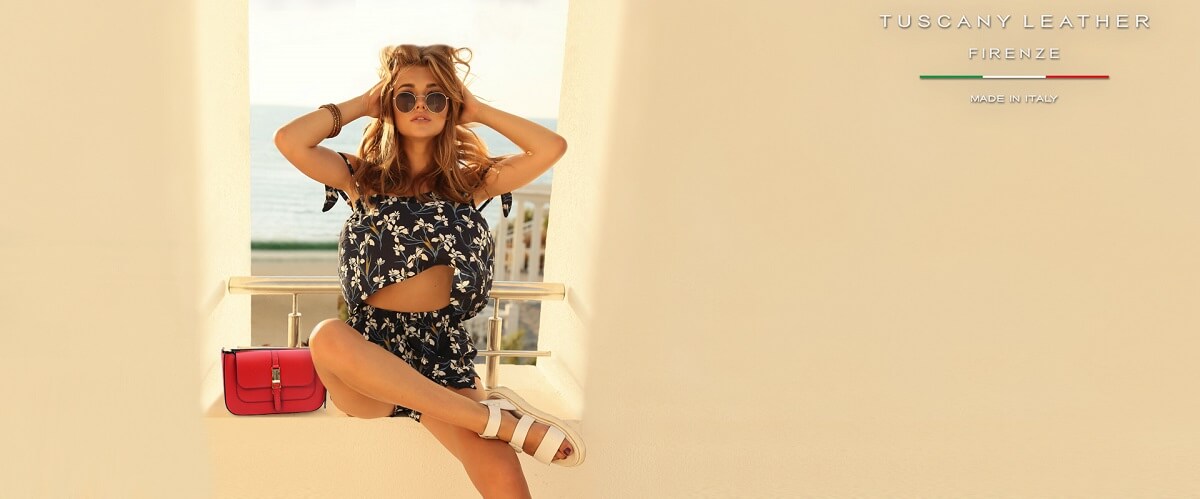
A crossbody bag can leave your hands free, but that does not guarantee an easy day of carrying. The strap may be adjustable yet still too short over a coat. A compact body may look convenient while its opening makes your phone difficult to retrieve. Finding a useful leather crossbody bag fit means checking the whole arrangement on your body, with your belongings inside. Start with the movements you repeat: walking, sitting, reaching for keys and putting on a jacket. The right position is the one that supports those movements comfortably, rather than a fixed point dictated by a photograph. Distinguish total strap length from strap drop Product descriptions do not always measure straps in the same way. Total length usually refers to the strap itself, while drop describes a vertical distance when it is fitted. Ask the seller which measurement is supplied and whether attachments are included. Compare the shortest and longest settings with a bag you already find comfortable. A cord can help estimate a route across your body, but it will not reproduce the weight, width or stiffness of a real strap. Treat it as a starting comparison, not a guarantee. Try the adjustment with your outerwear Place your usual essentials inside before testing. Adjust the strap while wearing the jacket or coat that will accompany the bag, then check whether further adjustment remains available. A range that works over a light shirt may be insufficient in colder weather. Notice where a buckle or connector rests. It should not create an awkward contact point or catch your clothing during ordinary movement. If the strap is detachable, confirm that its fittings are compatible and intended to carry the bag's load. Check the body position while moving Walk, turn, sit and stand. Notice whether the bag swings into your stride, catches your elbow or requires repeated repositioning. Try reaching the closure without lifting the entire bag. Your preferred position may differ from someone else's even if you are the same height. Do not keep tightening the strap to compensate for an unsuitable load. Removing unnecessary contents or choosing another carrying format may be more effective. For a broader comparison, explore women's leather bags. Measure the opening as well as the compartment Check your phone with its case, wallet and sunglasses case against the usable interior. A curved or rigid opening may be narrower than the body below it. Ask for a photograph of the bag open if the specification leaves that unclear. Pack flat objects where they do not press against the leather or distort the closure. Keep keys in a suitable place so you can retrieve them without dragging them over another item's surface. More pockets are useful only when their size and position suit your contents. Assess comfort after packing Compare the bag's empty weight and the feel of the loaded strap. Width, surface finish, clothing and load can all change the experience. A brief test cannot predict every journey, but immediate slipping, pressure or awkward access is useful information. Read the return conditions before ordering. Keep the test within the seller's permitted handling requirements and avoid assuming the strap will eventually transform an uncomfortable fit. Crossbody fit questions Should every crossbody sit at hip height? No single position suits every wearer or shape. Prioritise reach, stability and freedom of movement. Is a smaller bag always easier to carry? No. Strap construction, empty weight and how tightly you pack it matter too. For wider material and design context, read Italian leather bags for women. When the bag is intended for an event, our wedding bag guide adds occasion-specific checks.

A colourful leather bag can become an everyday favourite when its shade belongs with the clothes you repeatedly wear. The useful question is not whether red, green or blue is fashionable this month. It is whether you can picture the bag leaving the house with you on an ordinary morning. Choose colour with the same care you give size and carrying comfort. A beautiful shade does not compensate for a strap you dislike, but a practical bag does not have to be black or brown to earn regular use. Begin with the wardrobe you have Take out three or four outfits you wear often, including outerwear. Notice recurring colours and the balance between plain fabrics and patterns. A bag does not need to match everything; it needs enough useful combinations to justify its place. Photograph the outfits with a colour sample or, when possible, the actual bag. A red accent may stand clearly against denim and cream, while a deep blue may blend more quietly with your usual layers. Treat these as experiments rather than universal colour rules. Decide whether you want contrast or continuity For a noticeable accent, place the bag against relatively simple clothing and let its colour be the focal point. For a more connected effect, repeat a related shade in a print, scarf or small accessory. Exact matching is optional. Consider how much visual activity you enjoy. Prominent hardware, a bright colour and a strong print can all appear in one outfit, but you may prefer to emphasise only one of them. Personal comfort with the result matters more than a rule about the number of colours. Compare the shade and the surface together Two bags described as burgundy can look different because of undertone, gloss and texture. A shiny surface reflects light differently from a matte or pebbled finish. Look at photographs from several angles and ask for a daylight image when colour accuracy matters. Your screen settings and room lighting can also change what you see. Check the seller's return conditions before committing to a shade you have seen only online. A colour name is a description, not a precise guarantee of appearance. Check the pieces that will touch the bag Think about dark denim, coats, belts and the places where the bag rubs as you walk. Some materials and finishes can transfer colour or show marks more readily. Ask for care guidance specific to the bag rather than assuming all leather behaves alike. Keep cleaning and colour maintenance separate from styling. Do not apply polish, oil or a protective spray to alter a shade without appropriate instructions. A treatment may change the finish or appearance in ways you did not intend. Test the colour on an ordinary outing If the seller permits an indoor trial, assemble the entire outfit and pack your usual essentials. Carry the bag, put on your coat and look at the result from a normal distance. The bag should feel useful as well as visually appealing. Imagine a second routine use beyond the outfit that first attracted you. This is not a demand that every accessory do every job. It is a way to avoid buying a colour that works only in a photograph you will never recreate. Questions about handbag colour Is black always the most versatile choice? No. Versatility depends on your clothes, preferred contrast and where you use the bag. A familiar non-neutral shade may work better in your wardrobe. Must the bag match my shoes? No. You can connect the outfit through a shared undertone, formality or another repeated detail without exact matching. Should I buy a new outfit for the bag? Try existing clothes first. If the purchase requires several additional items, include that in your decision. Explore women's leather bags for related guides. Our Italian leather bags for women article covers broader selection points, while the wedding bag guide considers colour alongside the event and outfit.
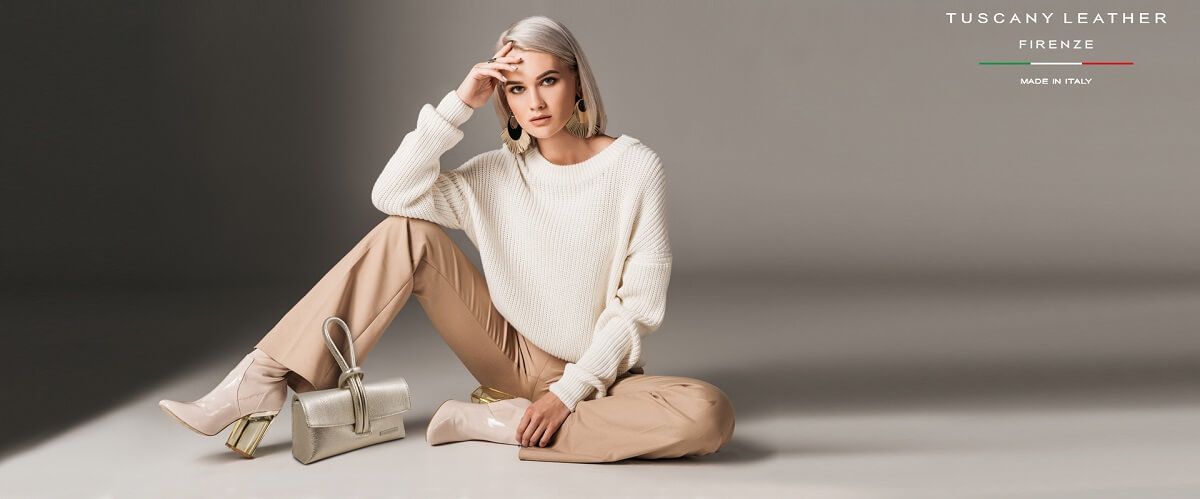
A capsule handbag collection starts with your calendar, not a shopping list. The aim is to keep a small selection of bags that covers the days you actually have: ordinary errands, work, social plans and occasional celebrations. There is no compulsory number, and a bag you already own may fill more than one role. Before buying anything, lay out your current bags and identify what each one does well. A missing function is a better reason to add a bag than another slightly different shade of the same style. Map a normal week before choosing three roles Write down what you carry and how you travel. A walking commute with a laptop creates different requirements from driving with a phone and wallet. Note the occasions when your present bag feels too heavy, too small or inconvenient to open. Three useful starting roles are an everyday bag, a work-capacity bag and a compact occasion bag. Treat these as prompts rather than rules. If your daily bag already carries your work essentials comfortably, you may not need a separate office option. Give the everyday bag the hardest test This is the piece that handles the most repeated journeys. Pack your phone, keys, wallet and other regular essentials, then close it without pushing. Try the strap over your usual jacket and check whether you can reach a small item while standing. A crossbody can free your hands, while a shoulder bag may offer an opening you prefer. Choose according to comfort and access rather than assuming one silhouette suits everyone. Check empty weight as well as dimensions. Separate work capacity from unnecessary bulk If work requires a device, compare its external measurements, including its sleeve, with the internal compartment. A stated laptop screen size does not confirm fit. Check whether padding is supplied and whether the opening accommodates folders. Keep the larger bag only if you regularly need that capacity. Carrying a roomy tote everywhere can encourage you to pack things that have no purpose on a shorter trip. Make the compact bag earn a second outing An occasion bag should hold the essentials for the event, but it can also serve dinner, a theatre visit or a short evening walk. Check phone fit and strap options before deciding on decorative details. Our guide to choosing a leather bag for weddings explores the event-specific checks. Choose colours from the clothes you repeat Review several outfits you wear often. A neutral colour is useful only when it works with those clothes; black is not automatically more versatile than brown, navy or a muted colour. Hardware and surface texture influence the combination too. Photograph each proposed bag with three existing outfits. If two bags suit exactly the same combinations and contents, ask whether the second brings a useful difference. You can keep a favourite statement piece without making every bag compete for attention. Questions before adding another handbag Do I need exactly three bags? No. Three roles make a useful planning exercise, but your routine may need fewer or more. Judge the coverage of your activities, not a fixed total. Must every bag be leather? No. Material should suit the use, maintenance requirements and conditions. A capsule is a practical selection, not a material rule. Explore women's leather bags for focused guides, and read Italian leather bags for women for broader context. Add the next piece when you can name the job it will do.
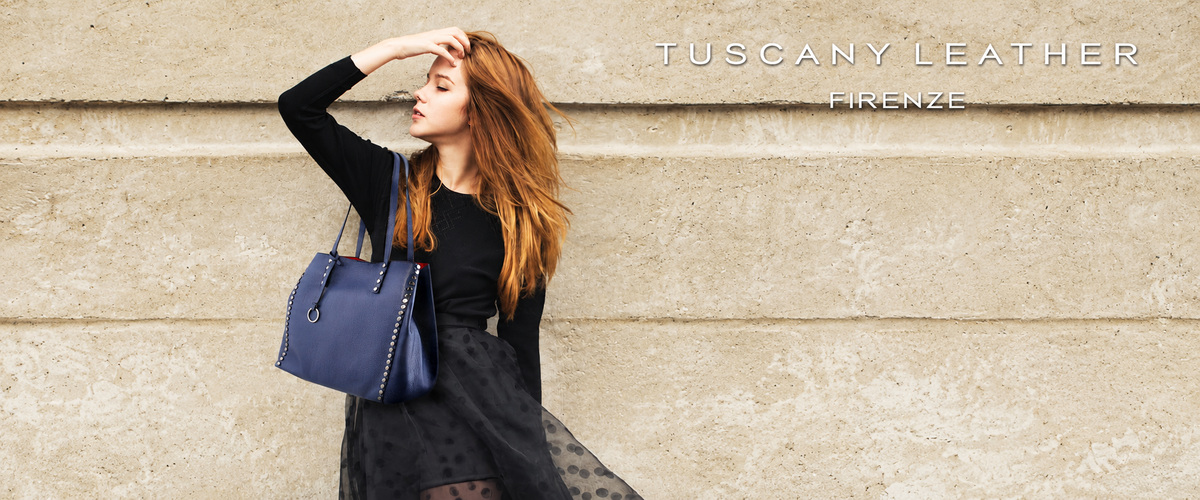
A leather tote does not need a different wardrobe for every outing. The same bag can sit comfortably beside office tailoring, city-day layers and relaxed weekend clothes when colour, proportions and practical needs work together. Start with a tote you enjoy carrying, then change the clothes around it. These three looks are outfit formulas, not shopping lists. Use pieces you already own and adapt them to the weather, your workplace and the amount you need to carry. A bag that looks right still needs to feel comfortable once packed. Start with the tote you actually use Choose a bag whose size suits your normal contents. Try it over the outerwear you will wear and check that the handle drop leaves comfortable space. A tote that sits neatly over a shirt may feel awkward over a thick coat. Look at the bag's colour, finish and hardware before assembling an outfit. A blue tote, for example, can connect naturally with denim, cream, grey or navy. Treat those colours as possibilities rather than a rule, and check the combination in daylight. Look one: a composed working day Combine straight-leg trousers, a simple shirt or fine knit and a jacket with a clear outline. Add loafers, flats or another shoe appropriate to your working environment. Let the tote supply the larger accessory shape, keeping smaller details restrained if the bag has prominent hardware. With navy trousers and a cream shirt, a blue tote can create a quiet connection without matching every item exactly. A brown or black tote can work just as well when it relates to the clothes you repeat. Check the full outfit with the jacket on, not only indoors in a light top. Pack the work essentials before leaving. If you carry a laptop, confirm the compartment dimensions and protective sleeve requirements; styling does not establish device protection. Our business bag checklist covers those functional checks separately. Look two: an unhurried day in the city Pair comfortable jeans or cropped trousers with a plain top and an overshirt or light jacket. Choose shoes suited to the walking you expect to do. A tote gives a casual outfit a defined focal point without requiring formal tailoring. Repeat one colour from the bag elsewhere if you like a connected look: navy stripes with a blue tote, for example. You can also leave the bag as the single accent against calmer clothes. There is no need to match the shoes, belt and bag exactly. Reduce the contents for this outing. Carrying office equipment through a free afternoon adds weight without improving the outfit. Check that the main closure and pocket arrangement suit busy streets and public transport. Look three: a relaxed weekend Try an easy dress or a soft knit with comfortable trousers. Add a cardigan or lightweight coat when needed, and keep jewellery simple enough for the day's activities. The tote can anchor softer fabrics through its outline and texture. With a patterned outfit, pick out a quieter colour already present in the print. With plain clothes, a brighter bag may provide enough interest on its own. Consider contact between the leather and clothing too: colour transfer is possible with some combinations, especially against pale surfaces. Make the changeover easy Keep essential small items together in a suitable pouch and remove what belongs only to work. Check that organisers do not make the tote too heavy or distort its shape. Changing the contents is often the most useful adjustment between the three looks. Leather tote styling questions Does a tote have to match my shoes? No. Shared colour, texture or formality can connect the outfit without an exact match. Can a large tote work for an evening event? Sometimes, but consider the venue and what you carry. A compact bag may feel easier when you need very little. Explore women's leather bags and our guide to Italian leather bags for women for broader comparisons. The strongest outfit is the one that works when you put it on and walk out the door.