
The Magazine
A train journey can be part of the pleasure of an Italian holiday: time to read, watch the landscape and arrive without spending the day behind a wheel. The stressful moments often happen around the journey, when a station name is unfamiliar, a ticket instruction is unclear or a bag is awkward to move. Plan those small transitions before departure. You do not need a minute-by-minute schedule, but you do need to know where you are going and which conditions apply to the ticket you bought. Start with the whole journey Look beyond the time printed beside the train. Include travel from your accommodation to the departure station and from the arrival station to your next stop. Check the exact station names on the booking; a city name alone may not identify the station you need. Before choosing a connection, think about your luggage and walking pace. A short transfer may look attractive on a screen but leave little flexibility. If an important booking follows the journey, allow a margin rather than planning around the earliest possible arrival. Our Italy travel tips can help you fit a rail day into the wider itinerary. Read the rules for your own ticket Do not rely on the blanket advice that every Italian train ticket needs the same validation process. Trenitalia states that its Digital Regional Ticket validates automatically at the scheduled departure of the selected train; a separate check-in is not required for that product. Other ticket formats and operators can have different conditions. Read the instructions attached to your purchase, including any validation, identity-document, train-specific or change requirements. Keep the ticket accessible and carry the identification required by the operator. If your plans change, check the applicable conditions before boarding a different departure. A ticket visible on your phone is not, by itself, proof that any train will accept it. Make the station easier to read Save the train number as well as the destination. Check the departure information at the station and follow updates for your service. A useful pair of words is partenze for departures and binario for platform. Keep your phone charged and make sure you can retrieve the ticket without searching through a crowded inbox. An offline copy can be useful where the ticket format permits it, but it does not replace any required activation or official ticket display. Pack for the moments between seats Choose luggage you can move comfortably through the station and onto the train. Keep your document, ticket and essential items in an accessible compartment, and close the bag before moving through a crowd. Once aboard, use the appropriate luggage spaces and keep doors and aisles clear. Follow the operator's luggage rules rather than assuming that a free space beside a seat is intended for a suitcase. A convenient day bag is one you can manage alongside your main luggage. Keep arrival flexible Check the onward route before the train reaches your stop. Leave time to get your bearings, especially if you are collecting luggage or continuing by local transport. Do all tickets need a machine stamp? No. Follow the instructions for your exact ticket type. Is a very tight connection worth it? Consider the consequences of missing it, not just the time saved. Where should I check changes? Use your operator's official information; for Trenitalia services, start with Trenitalia.
Autumn in Tuscany invites a different kind of itinerary. Instead of collecting towns in a single day, you can build a visit around a producer, a countryside lunch and enough time to notice the season. Wine and olive oil offer a way into the landscape through the people who work it. The useful distinction is between visiting during harvest season and joining harvest work. They are not the same experience. Decide which interests you before choosing a date or making a booking. Choose a seasonal focus Grape and olive harvests do not follow one fixed calendar across Tuscany. Visit Tuscany describes the grape harvest around mid-September and October, while olive experiences are generally associated with the later autumn season. Weather, location and the producer's decisions affect the actual timing. Treat these periods as starting points for research. If seeing a particular activity matters to you, contact the producer and ask what is likely during your dates. A vineyard visit can still be worthwhile when picking is not taking place. For a broader introduction to the region's pace and culture, explore our guide to Italian lifestyle. Ask what the experience includes A wine tasting, a cellar visit, a mill tour and a hands-on harvest session are different bookings. Before paying, clarify the meeting point, duration, language and activities. Ask whether the experience changes if harvest work moves earlier or the weather prevents outdoor participation. Working farms and mills have production schedules. Do not assume visitors can arrive unannounced or join the work simply because it is the right month. The official Visit Tuscany harvest guide is a useful starting point, followed by direct confirmation with the host. Build one countryside day around one appointment Choose one main experience and give it room. Add a nearby village or a meal if the geography allows, but avoid crossing the region several times to fit in more stops. Check the actual route between accommodation, meeting point and lunch. A countryside address may require more planning than a central city attraction. If a visit includes wine tasting, arrange transport that lets you enjoy the experience without relying on driving afterward. This is a practical extension of the slower rhythm described in our Italy travel tips. Bring what the activity requires Ask the host about footwear and clothing before packing. For an outdoor session, layers and shoes appropriate to the terrain are more useful than an outfit chosen only for photographs. Keep your day bag light and consider how you will protect it from damp ground, soil or rain. If you plan to buy oil or wine, ask about packaging and delivery options. Check your own transport and baggage conditions before buying more than you can comfortably carry. Plan for variation, not a guaranteed scene Keep an indoor alternative such as a confirmed tasting or museum visit. The harvest is agricultural work, and its timing is not arranged around a holiday itinerary. Can I book a trip solely around picking grapes? Only if you accept that conditions may change. Confirm the activity and cancellation terms with the host. Are olive visits always hands-on? No. Ask whether you are booking a tasting, a mill visit or participation. Does autumn guarantee quiet roads and empty towns? No. Plan around the specific place, date and event, rather than a general promise about the season.
San Fruttuoso brings a historic abbey and a small coastal settlement together in a bay below the Portofino promontory. The setting can make a visit feel wonderfully contained: one place to explore rather than a string of Riviera towns. Its access arrangements, however, deserve attention before you leave your accommodation. Build the day from the return journey backwards. Decide how you will arrive, what you most want to see and how you will get back. That simple order leaves more room to enjoy the destination once you reach it. Choose the kind of visit you want The abbey is the natural cultural focus, while the bay provides the wider setting. You might want to concentrate on the building, spend time beside the water or combine the visit with a properly planned walk. These are different outings, even when they share the same destination. Write down one priority before adding extras. A return boat journey and an abbey visit may already provide enough structure. Avoid treating a short stop as proof that you have time for every possible activity. Understand the access before choosing a route San Fruttuoso is reached by sea or on foot rather than by driving directly to the abbey. FAI, which manages the property, links to boat operators and explains the available approaches. The Camogli connection is a useful starting point to investigate, but check the service for your date. Confirm the departure point, outward and return options, boarding arrangements and any booking conditions. Read what the ticket covers: transport and abbey admission should not be assumed to be the same purchase. Make weather part of the plan Sea conditions can interrupt boat services and affect the abbey's opening. Check the operator and FAI updates close to departure, even if your original booking was made well in advance. A pleasant-looking forecast at your hotel does not confirm the conditions along the route. Prepare a different day you would still enjoy if the trip cannot go ahead. Choose it before leaving rather than trying to invent an alternative while waiting at the departure point. Flexibility works best when it has somewhere practical to lead. Do not treat the walking route as an automatic backup The Portofino park contains routes with different gradients and walking demands. A path shown on a map is not enough information to decide whether it suits your group. Check the current official route description, conditions and any closures. Choose according to your experience, footwear, available daylight and the people travelling with you. If the boat is cancelled, do not assume an unfamiliar trail is an easy replacement. Visitors with mobility requirements should ask about the specific access before booking. Give the abbey more than a passing glance The site began as a Benedictine monastery and later became closely associated with the Doria family. Let that layered history inform the visit instead of using the building only as a background for the bay. Allow time to look, read and pause. Check whether you want a self-guided visit or an available guided option, and arrange the day around the actual admission information. You do not need a long list of facts to appreciate how a building relates to the landscape around it. Pack for the outing you chose Take only what your planned activities require, with suitable water, sun or weather protection and a way to protect personal items from splashes. Check facilities and food options before assuming everything you need will be available on arrival. Keep tickets and return details accessible. Review the return arrangement before settling into the visit, so that the last part of the day does not become a hurried departure. Official checks before you go Use FAI's San Fruttuoso visitor information, the Camogli–San Fruttuoso boat operator and the Portofino park website for current planning information. San Fruttuoso questions Can I drive all the way to the abbey? No. Plan an appropriate sea or walking approach. Should I rely on the final possible return boat? Allow a sensible margin and follow the operator's current guidance rather than building the day around an assumed last departure. Read our travel tips for Italy and explore Italian lifestyle for more ways to plan around a place rather than a checklist.
How to Live the Italian Lifestyle: 14 Timeless Habits to Embrace La Dolce Vita The Italian lifestyle has fascinated people around the world for generations. It is not simply about beautiful cities, good food, elegant clothes or long summer evenings by the sea. At its heart, the Italian way of life is built around something much more valuable: learning to enjoy ordinary life well. There is a certain rhythm to life in Italy that can feel refreshingly different from the constant rush of the modern world. Meals are meant to be enjoyed rather than swallowed between tasks. Family remains important. Appearance matters, but so does authenticity. Local traditions are respected. Food is connected to season and place. And even a simple evening walk can become a daily ritual. You do not need to move to Tuscany, Rome or a small coastal village to bring some of this philosophy into your own life. Living the Italian lifestyle begins with changing how you see the everyday.
Travel Tips for Italy: How to Embrace the Italian Lifestyle Travelling through Italy is about much more than visiting famous landmarks, photographing historic buildings or tasting a plate of fresh pasta. The real beauty of the country reveals itself when you slow down, observe local habits and begin to experience daily life the Italian way. Italy is a collection of regions, traditions and communities, each with its own rhythm. Customs can change noticeably as you travel from north to south, from a large city to a quiet hill town or from the countryside to the coast. The best travel experiences often come from accepting these differences rather than expecting everything to work as it does at home.
The Women of Italy: Style, Strength and the Art of Living Well Italy is often described through its landscapes, food, architecture and timeless sense of style. But to truly understand Italian life, you have to look beyond the postcard image. You have to look at the women. Italian women carry something rare: quiet strength, natural elegance and a deep understanding of how life should be lived. They are the keepers of family traditions, the heart of the home, the voice of taste, and often the invisible force that holds everything together. From mothers and grandmothers to friends, colleagues, teachers and elegant older women walking through the streets of Milan, Italian women offer a masterclass in confidence, hospitality, culture and personal style. Le Mamme | The Mothers: The Heart of the Home
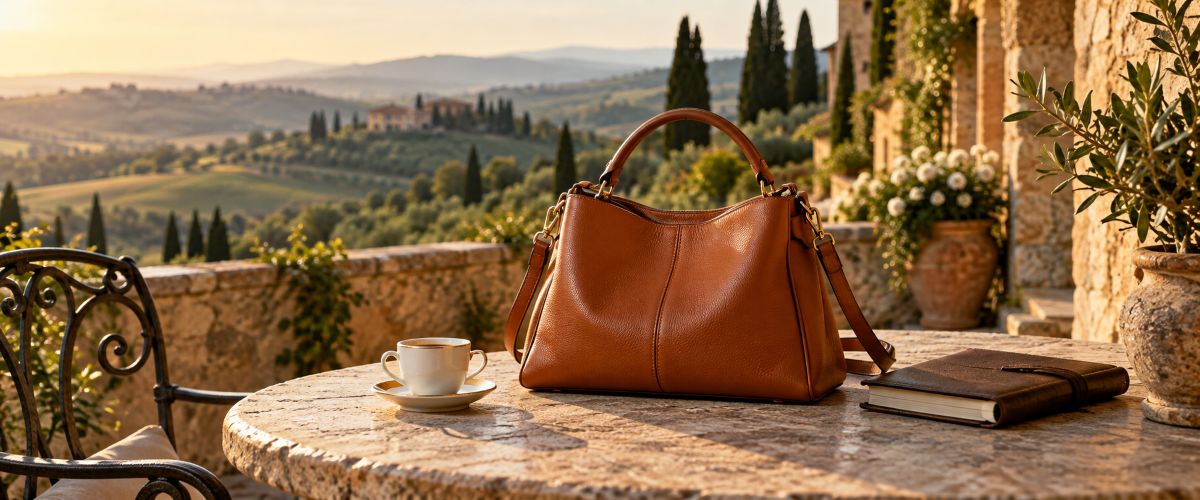
Italian Lifestyle: How to Live Beautifully Every Day Italian lifestyle is not just a place on the map. It is a way of life. It is a small espresso in the morning, enjoyed slowly rather than swallowed in a rush. It is a simple linen shirt that looks elegant without trying too hard. It is a quality leather bag that becomes more beautiful with time. It is a meal around the table with olive oil, fresh bread, tomatoes, herbs and good conversation. The Italians understood something the modern world sometimes forgets: life was not meant only for management, tasks and endless lists. Life was also meant to be felt, tasted, seen, smelled and enjoyed. The Beauty of Simplicity
Summer Hand and Foot Care – How to Keep Skin Healthy and Well-Groomed During summer, our hands and feet are much more exposed. Sandals, open shoes, walking barefoot, heat, sweat, seawater and swimming pool chlorine can all affect areas that are often almost forgotten during winter. But proper hand and foot care in summer is about much more than polish, manicures or pedicures. The skin in these areas also needs hydration, sun protection, gentle cleansing and regular attention. Summer Foot Care