
The Magazine
A capsule handbag collection starts with your calendar, not a shopping list. The aim is to keep a small selection of bags that covers the days you actually have: ordinary errands, work, social plans and occasional celebrations. There is no compulsory number, and a bag you already own may fill more than one role. Before buying anything, lay out your current bags and identify what each one does well. A missing function is a better reason to add a bag than another slightly different shade of the same style. Map a normal week before choosing three roles Write down what you carry and how you travel. A walking commute with a laptop creates different requirements from driving with a phone and wallet. Note the occasions when your present bag feels too heavy, too small or inconvenient to open. Three useful starting roles are an everyday bag, a work-capacity bag and a compact occasion bag. Treat these as prompts rather than rules. If your daily bag already carries your work essentials comfortably, you may not need a separate office option. Give the everyday bag the hardest test This is the piece that handles the most repeated journeys. Pack your phone, keys, wallet and other regular essentials, then close it without pushing. Try the strap over your usual jacket and check whether you can reach a small item while standing. A crossbody can free your hands, while a shoulder bag may offer an opening you prefer. Choose according to comfort and access rather than assuming one silhouette suits everyone. Check empty weight as well as dimensions. Separate work capacity from unnecessary bulk If work requires a device, compare its external measurements, including its sleeve, with the internal compartment. A stated laptop screen size does not confirm fit. Check whether padding is supplied and whether the opening accommodates folders. Keep the larger bag only if you regularly need that capacity. Carrying a roomy tote everywhere can encourage you to pack things that have no purpose on a shorter trip. Make the compact bag earn a second outing An occasion bag should hold the essentials for the event, but it can also serve dinner, a theatre visit or a short evening walk. Check phone fit and strap options before deciding on decorative details. Our guide to choosing a leather bag for weddings explores the event-specific checks. Choose colours from the clothes you repeat Review several outfits you wear often. A neutral colour is useful only when it works with those clothes; black is not automatically more versatile than brown, navy or a muted colour. Hardware and surface texture influence the combination too. Photograph each proposed bag with three existing outfits. If two bags suit exactly the same combinations and contents, ask whether the second brings a useful difference. You can keep a favourite statement piece without making every bag compete for attention. Questions before adding another handbag Do I need exactly three bags? No. Three roles make a useful planning exercise, but your routine may need fewer or more. Judge the coverage of your activities, not a fixed total. Must every bag be leather? No. Material should suit the use, maintenance requirements and conditions. A capsule is a practical selection, not a material rule. Explore women's leather bags for focused guides, and read Italian leather bags for women for broader context. Add the next piece when you can name the job it will do.
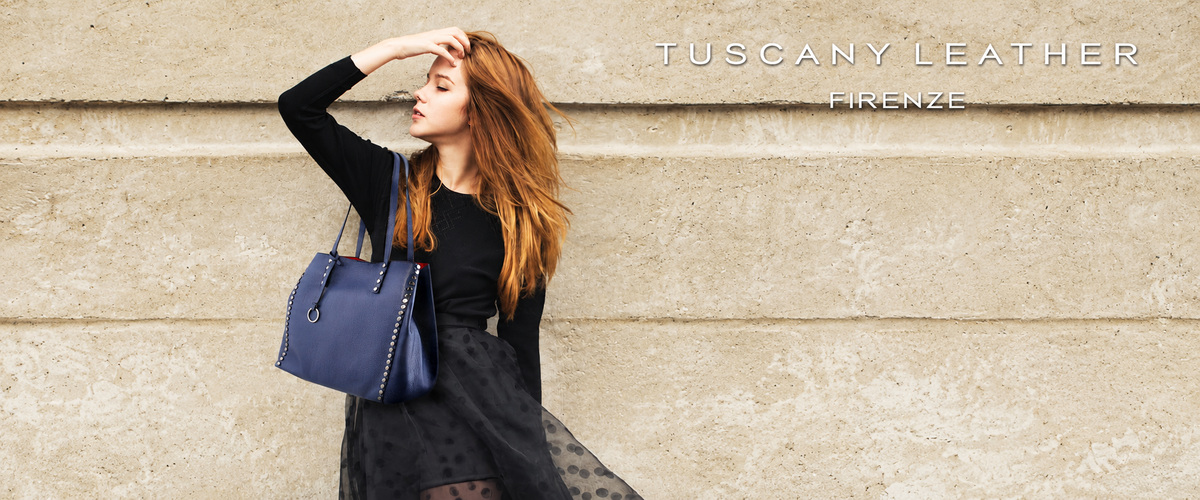
A leather tote does not need a different wardrobe for every outing. The same bag can sit comfortably beside office tailoring, city-day layers and relaxed weekend clothes when colour, proportions and practical needs work together. Start with a tote you enjoy carrying, then change the clothes around it. These three looks are outfit formulas, not shopping lists. Use pieces you already own and adapt them to the weather, your workplace and the amount you need to carry. A bag that looks right still needs to feel comfortable once packed. Start with the tote you actually use Choose a bag whose size suits your normal contents. Try it over the outerwear you will wear and check that the handle drop leaves comfortable space. A tote that sits neatly over a shirt may feel awkward over a thick coat. Look at the bag's colour, finish and hardware before assembling an outfit. A blue tote, for example, can connect naturally with denim, cream, grey or navy. Treat those colours as possibilities rather than a rule, and check the combination in daylight. Look one: a composed working day Combine straight-leg trousers, a simple shirt or fine knit and a jacket with a clear outline. Add loafers, flats or another shoe appropriate to your working environment. Let the tote supply the larger accessory shape, keeping smaller details restrained if the bag has prominent hardware. With navy trousers and a cream shirt, a blue tote can create a quiet connection without matching every item exactly. A brown or black tote can work just as well when it relates to the clothes you repeat. Check the full outfit with the jacket on, not only indoors in a light top. Pack the work essentials before leaving. If you carry a laptop, confirm the compartment dimensions and protective sleeve requirements; styling does not establish device protection. Our business bag checklist covers those functional checks separately. Look two: an unhurried day in the city Pair comfortable jeans or cropped trousers with a plain top and an overshirt or light jacket. Choose shoes suited to the walking you expect to do. A tote gives a casual outfit a defined focal point without requiring formal tailoring. Repeat one colour from the bag elsewhere if you like a connected look: navy stripes with a blue tote, for example. You can also leave the bag as the single accent against calmer clothes. There is no need to match the shoes, belt and bag exactly. Reduce the contents for this outing. Carrying office equipment through a free afternoon adds weight without improving the outfit. Check that the main closure and pocket arrangement suit busy streets and public transport. Look three: a relaxed weekend Try an easy dress or a soft knit with comfortable trousers. Add a cardigan or lightweight coat when needed, and keep jewellery simple enough for the day's activities. The tote can anchor softer fabrics through its outline and texture. With a patterned outfit, pick out a quieter colour already present in the print. With plain clothes, a brighter bag may provide enough interest on its own. Consider contact between the leather and clothing too: colour transfer is possible with some combinations, especially against pale surfaces. Make the changeover easy Keep essential small items together in a suitable pouch and remove what belongs only to work. Check that organisers do not make the tote too heavy or distort its shape. Changing the contents is often the most useful adjustment between the three looks. Leather tote styling questions Does a tote have to match my shoes? No. Shared colour, texture or formality can connect the outfit without an exact match. Can a large tote work for an evening event? Sometimes, but consider the venue and what you carry. A compact bag may feel easier when you need very little. Explore women's leather bags and our guide to Italian leather bags for women for broader comparisons. The strongest outfit is the one that works when you put it on and walk out the door.
A special-occasion bag has a deceptively demanding job. It needs to work with an outfit, hold the things you cannot leave behind and stay comfortable through greetings, photographs, a meal and the journey home. Choosing a leather bag for weddings and celebrations becomes easier when you test those practical details before deciding on colour. The most useful question is not “Which bag looks the dressiest?” It is “Which bag works for this event without creating another problem to manage?” Start with the event, not a trend A daytime garden wedding, an evening reception and a formal dinner do not necessarily call for the same accessory. Consider the dress code, venue and how long you will be away. A neat handbag can suit a daytime celebration, while a compact clutch may work when you need very little and expect to sit for much of the evening. Take your role into account too. Someone helping with a ceremony may need both hands free more often than a guest attending only dinner. Run the phone-and-essentials test Check your phone with its case attached, then add keys, cards, any necessary medication and the small personal items you actually use. External dimensions do not tell you whether a rigid opening will accommodate a large phone. Ask for internal measurements and a view of the closure when shopping online. A bag that closes only when empty is not the right size. Equally, there is no need to carry your everyday wallet if a smaller card holder meets your needs. Clutch, top handle or shoulder strap? A clutch creates a simple silhouette, but occupies a hand. A top handle offers a defined shape, while a shoulder strap may make standing receptions easier. Check that a detachable chain can be stored without filling the entire interior. Try the strap with the outfit you plan to wear. A length that sits neatly over a blouse can behave differently over a jacket. Inspect the hardware for rough edges that could catch delicate fabric. Let colour support the outfit You do not have to match the bag to your shoes exactly. A colour repeated elsewhere in the outfit can create a connection, while a contrasting bag can provide the focal point. With a detailed dress, consider a calmer surface and restrained hardware. Look at the combination in daylight as well as indoors. Very pale leather may be vulnerable to dye transfer from dark clothing, so consider the fabrics it will rub against. Choose for the next occasion too Before buying, identify another setting where you would happily use the same bag. A removable strap or uncomplicated design may add flexibility, but only if those features are confirmed in the specification. “Versatile” is useful when it describes a real second use rather than a promise on a label. Questions before the celebration Does a wedding guest need a clutch? No. A small handbag or shoulder bag can be appropriate, depending on the dress code and practical needs. Follow the event’s guidance rather than an assumed rule. Is a bright bag too informal? Not automatically. Shape, finish, outfit and setting matter together. Use colour deliberately and avoid making every accessory compete for attention. Should I condition the bag before the event? Only if appropriate for its finish and care instructions. Do not experiment with a new treatment just before an occasion; it may change the colour. Explore the women’s leather bags section for more focused guides. For wider context on materials and design, read Italian leather bags for women. Choose the bag that lets you enjoy the occasion once the outfit is complete.
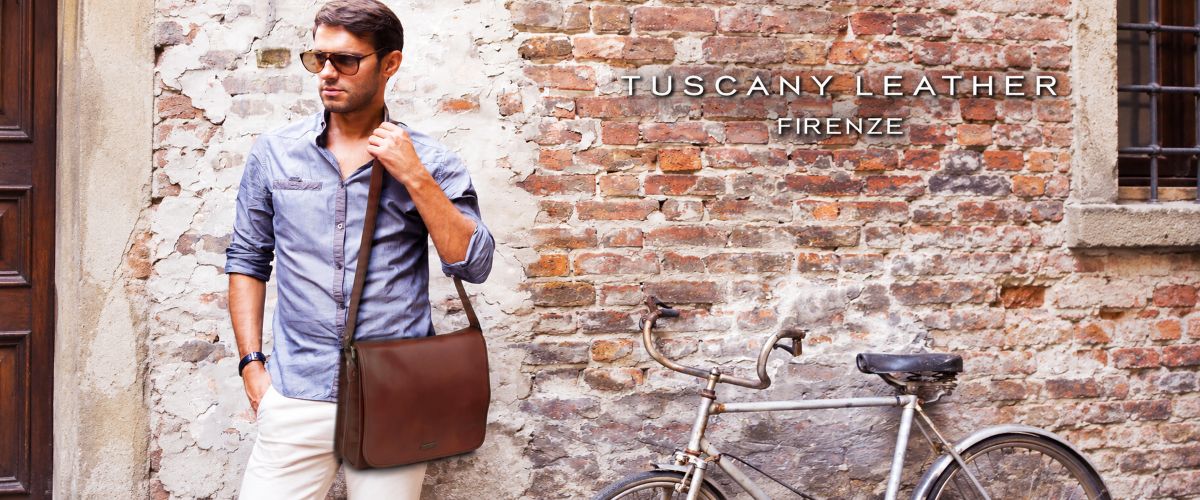
A commuter bag spends more time beside ticket barriers, on crowded trains and between appointments than in a product photograph. A men’s leather messenger bag can suit that routine, but only when its capacity, strap and opening match the journey. The smartest-looking design is not necessarily the easiest one to carry every weekday. Instead of choosing by the number of pockets, compare the actions you repeat: reaching for a pass, taking out a device, fastening the flap and moving through a busy space. Describe your commute before choosing a size A short drive to the office demands something different from a train journey followed by a long walk. List the items that travel every day and separate occasional equipment from regular essentials. Then check whether the bag accommodates them without expanding beyond its intended shape. If you carry substantial equipment or walk for long periods, compare a backpack as well. A single-strap design will not suit every load or every person. Check the device, not just the advertised screen size Two laptops with the same screen diagonal can have different external dimensions. Compare your device, including its case, with the internal compartment and opening. Confirm whether padding is included; an ordinary divider is not necessarily a protective laptop sleeve. Allow room for the charger separately rather than pressing it against the screen. If no device measurements are supplied, ask before buying instead of assuming that a large-looking bag will fit. Test the strap through a real sequence Adjustability matters only if the strap reaches the position that feels comfortable on you. Check its minimum and maximum length, attachment points and whether the pad stays where you need it. Try the loaded bag over the coat you wear during your commute. Take a few steps, turn and bend to pick something up. Notice whether the bag swings, slips or interferes with movement. If it feels uncomfortable during a short test, reducing the contents may help more than adding another accessory. Balance access with a closure you will use A flap can keep the outline tidy, but check what secures the main compartment beneath it. Magnets, buckles and zips behave differently. Look for a closure that is easy to operate without leaving the contents exposed every time you retrieve a travel card. Keep frequently used small items in a consistent place. An external pocket may be convenient, but its suitability depends on its closure and the surroundings; a pocket alone is not an anti-theft feature. Choose leather and construction for repeated use Inspect the strap anchors, handle joints, stitching and zip operation alongside the leather. Check the empty weight too. A heavy bag with impressive hardware may leave less comfortable capacity for the equipment you actually need. Follow the maker’s care instructions and protect the bag from prolonged soaking. Leather does not become waterproof simply because it has a substantial finish. Commuter messenger bag questions Must a work messenger bag be black? No. Choose a colour that works with your regular clothes and preferred level of formality. Brown, navy and other restrained shades can be practical too. Can a messenger replace a backpack? Sometimes. Compare the loaded comfort and access on your actual route. Heavier contents may make two-strap carrying preferable. Use our men’s leather bag buying guide for a broader comparison of styles. Visit men’s leather bags for focused advice, or compare leather backpacks when the journey calls for a different carrying method.

A day in the city can involve more transitions than a longer journey: a train ride, a museum stop, lunch, a market and an unexpected walk home. A leather backpack can keep your hands available, provided its contents and carrying arrangement suit that sequence. Start with the route rather than filling every compartment. This is a guide to using a daypack for an urban outing. It does not assume that a bag suitable for campus or office equipment is automatically comfortable for hours of sightseeing. Plan the day before packing the bag Check the weather, transport plans and any venue restrictions that affect bags. A large backpack may be inconvenient in a crowded gallery even if it works well on the train. Think about where you can refill water or leave purchases so you do not carry every possible requirement from the start. List the items you will use, then separate them from things packed only out of habit. If the list expands far beyond the bag's intended capacity, reconsider the plan or the carrying format. Build a small, relevant essentials list Phone, travel pass and a suitable way to pay. Keys and any necessary personal items. A water container appropriate to your plans. A light layer or compact weather protection when needed. A small charging solution if the day requires it. Tickets or booking details in an accessible form. Adjust the list to your needs. Do not add a laptop merely because the bag has a compartment for one. Check venue rules before packing equipment or containers that may be restricted. Give frequently used items consistent places Put your pass where you can retrieve it at the barrier without emptying the bag. Keep keys from rubbing a screen or delicate surface. Separate a bottle from electronics with suitable containment; a pocket divider does not guarantee protection from a leak. Choose the storage location for valuables according to the closure and surroundings. A zipped pocket can be useful, but a zip alone does not make a backpack theft-proof. Stay aware when opening the bag in busy spaces. Test the load before setting off Put the packed bag on with the clothes you will wear. Adjust both shoulder straps and check whether the load sits steadily without pulling awkwardly. Walk, turn and bend, noticing pressure, movement and whether hardware catches your clothing. Take out items you do not need before relying on tighter straps to solve discomfort. If the packed bag is immediately uncomfortable, a different load or bag may be the better choice. There is no universal capacity or weight that suits every wearer. Rehearse the stops as well as the walk Can you take the backpack off easily before boarding a crowded vehicle? Can you hold it securely without leaving a compartment open? A top handle may help during a short transition, but check that it is intended for carrying the loaded bag. At a cafe, place the bag where it will not be stepped on, exposed to spills or left out of view. Avoid dragging the base over rough paving. Small decisions during stops matter as much as the initial packing. Prepare for weather without assuming waterproofing Check the maker's advice for the particular leather and finish. Carry suitable weather protection when needed, and avoid prolonged soaking. Do not assume a substantial leather surface or closed zip makes the entire bag waterproof. If the bag becomes damp, remove the contents as appropriate and let it dry naturally away from direct heat. Follow the supplied care guidance rather than applying an unfamiliar product immediately. City daypack questions Do I need a large backpack for a full day out? Not necessarily. Choose around the planned contents and usable space, leaving the closure free from strain. Can I use my university backpack? Possibly. Repack it for the outing and test the lighter, different load rather than taking your campus contents along. Explore leather backpacks for related guidance. Our leather backpack buying guide covers selection, while the university backpack checklist focuses on study equipment. Choose what supports the day you have planned.

A university timetable can turn a bag into a portable desk: laptop, charger, reading material and the things needed between lectures. Choosing a leather backpack for university therefore starts with the longest day on your timetable, not the lightest one. The right design should make moving around campus easier while fitting the equipment you actually use. A photograph can suggest style, but it cannot establish capacity, loaded comfort or protection for a device. Use the specification and a realistic packing test together. Build a campus load before comparing bags Lay out your laptop with its case, the books used on the same day, a notebook and everyday essentials. Separate items you can leave at home from things you cannot. If your course involves specialist equipment, check its measurements rather than assuming that a standard backpack will accommodate it. A small backpack may be excellent for a light timetable and unsuitable for several large textbooks. The category name alone does not identify the right size. Check the internal dimensions and opening Compare the laptop’s actual height, width and depth with the compartment. A screen-size label does not account for every chassis or protective case. Ask whether the device pocket is padded and whether it has a retaining closure. Check the opening too. A wide compartment is of little help if the laptop has to be forced through a narrow zip. Keep books from pressing hard objects against the screen, and do not assume a sleeve makes the whole bag resistant to drops. Try it loaded with both straps adjusted The empty weight becomes part of every journey. Add your typical contents before deciding whether the backpack feels manageable. Adjust both straps, walk a little and notice whether the bag pulls away from your back or makes you change how you move. Strap padding, width and attachment quality deserve attention alongside the leather. If a loaded design feels uncomfortable, choose a different capacity or construction rather than relying on appearance. Plan for the spaces between lectures A travel pass, keys and phone should have a consistent, accessible place. Keep pens capped and small cables together so they do not disappear beneath books. A bottle compartment is useful only if it fits your bottle and keeps it stable; it is not necessarily leakproof. Consider what happens when you put the backpack down in a lecture theatre or library. A practical handle and stable placement can matter as much as another internal pocket. Think about rain, maintenance and term-time use Leather is not automatically waterproof. Check the maker’s instructions for the finish, and avoid leaving a damp bag closed in a cupboard. If you regularly walk in heavy rain, assess suitable weather protection or another material rather than treating leather as the only acceptable choice. Inspect the zips, strap anchors and lining before buying. A campus bag needs repeated usability, not simply a convincing description of its material. University backpack questions Is leather always heavier than fabric? No single comparison applies to every design. Ask for the actual empty weight and compare bags with similar capacity and construction. Can a compact leather backpack carry a laptop? Only if its internal dimensions, opening and protection suit that device. Never infer laptop capacity from the photograph. Do I need a separate bag for short days? Not necessarily. First check whether the main backpack remains comfortable with fewer contents. A second bag should solve a real need. Explore our leather backpacks section, and use the general leather backpack guide to compare broader design considerations. Let your course equipment and campus routine make the final decision.

A business meeting rarely gives you time to rearrange your bag before taking out a document or setting up a device. A useful leather meeting bag keeps that small sequence straightforward. It should hold your essentials, close without strain and let you move from reception to the meeting table without juggling loose belongings. Rather than choosing a briefcase only because it looks formal, test how it supports the way you prepare, travel and present your work. Choose for the meeting you actually attend A short client visit with a notebook needs less capacity than a day of presentations with a laptop, power supply and printed material. List those contents before looking at designs. If meetings vary, identify the largest regular load rather than buying around an unusually demanding one-off event. Decide whether you prefer a briefcase, a structured shoulder bag or another format. Professional presentation comes from a suitable, well-kept accessory; no single silhouette is compulsory. Keep documents flat and devices properly supported Check the internal size and opening with the items you use. A bag described as suitable for A4 papers may not accommodate a folder with projecting tabs. Equally, A4 capacity does not confirm that a laptop will fit or receive appropriate cushioning. Compare device measurements with the dedicated compartment, including any sleeve you plan to use. Keep the power supply and other hard objects from pressing against the screen. Test the opening as if you were at the table Can you retrieve a notebook without emptying another compartment? Does the main zip open far enough? Are buckles easy to operate while standing? These details affect everyday usefulness more directly than a long list of pockets. Make sure the bag closes with the intended contents inside. A strained closure can distort the outline and make access awkward. Avoid choosing a smaller size solely because it looks more compact in a photograph. Inspect the points that carry the load Look closely at handle attachments, strap fittings and stitching around stressed areas. Check zip operation and the lining as well as the leather surface. Material terminology alone cannot establish the quality of the finished construction. Ask for the empty weight and any stated carrying guidance. Substantial hardware may look impressive, but it also becomes part of the load you carry between appointments. Think beyond the meeting-room door A removable strap may help on longer walks, while a top handle can be convenient in confined spaces. Confirm the strap’s length and attachment method rather than assuming it supports crossbody carrying. If you travel with a suitcase, check whether a trolley attachment is genuinely included. Choose a colour and finish that work with your usual clothing and maintenance habits. A formal bag does not need to match every accessory exactly; it needs to feel appropriate and function reliably. A final rehearsal before keeping the bag Pack the equipment you normally take. Close the main compartment without forcing it. Retrieve your notebook and device in sequence. Try the handle and strap with your usual coat. Check the seller’s return and warranty terms. Business bag questions Does a meeting bag need a lock? That depends on your requirements. A lock does not replace the security procedures appropriate to sensitive documents or equipment. Is a structured bag always better? No. Structure can help preserve the outline, but access, weight and capacity still need to suit the user. Explore the leather business bags section for focused guidance. For a broader look at materials and workmanship, read our guide to Italian leather bags. A well-chosen meeting bag should make preparation feel simpler, not add another task.

The easiest weekend wash bag to use is one packed around your normal routine. Start with what you use at home in the morning and evening, then adjust for the trip. A leather exterior can provide the appearance you like, but the lining, opening and way you contain liquids decide how practical the bag will be. Think of the wash bag as an organiser rather than a guarantee against leaks. Unless the specification confirms otherwise, neither leather nor a fabric lining should be treated as waterproof. Build the list from one ordinary day Write down the toiletries you actually reach for, then consider the number of nights away. Check what your accommodation supplies before packing duplicates. There is little value in taking a large bottle for a routine that needs only a small amount. Toothbrush and toothpaste. Your usual cleanser and moisturiser, if used. Deodorant and the hair products you need. Your regular shaving or grooming items. Sun protection appropriate to the trip. Personal essentials such as period products or a contact lens case, where relevant. This is a starting list, not a compulsory set. Keep medicines in suitable packaging and storage conditions according to their instructions; they do not automatically belong in a humid bathroom organiser. Fit the containers before buying the bag Stand your actual containers together and check their height, width and closures. A roomy-looking wash bag may have a narrow opening, while a structured design may not accommodate a tall bottle upright. Measure usable space rather than relying on the exterior dimensions alone. Try closing the bag without stretching the zip around protruding lids. If it closes only when carefully compressed, removing a duplicate product is usually a better solution than forcing it. Contain liquids separately Check lids, pumps and bottle seams before packing. Use suitable secondary containment for products that could leak, and keep them away from absorbent tools and dry personal items. An organiser compartment by itself is not necessarily a sealed barrier. For air travel, check the current cabin-liquid requirements of your departure and transfer airports before packing. A leather wash bag does not replace any separate presentation or container requirements. Avoid building your routine around an assumed allowance. Inspect the inside as carefully as the leather Look for information about the lining material and how it may be cleaned. Can you open the bag far enough to see the bottom? Are the seams accessible? A wipeable lining can be useful, but only if the maker describes it that way and supplies appropriate care guidance. A hanging hook may help in some rooms, while a stable base may be more useful on a shelf. Confirm the feature exists rather than inferring it from a photograph of a similar model. Pack for the journey home Do not put a damp flannel or leaking bottle directly against the lining. Carry a suitable separate container for temporarily damp items, then remove and dry them promptly after travel. Recheck caps before returning the wash bag to your luggage. Keep a few journey essentials accessible elsewhere if you will need them in transit. The main wash bag can then stay packed instead of being opened repeatedly beside your clothes. Unpack before storing Empty the bag when you return. Inspect for spills and follow the maker's cleaning instructions, allowing everything to dry before storage. Avoid soaking the leather or using household cleaners simply because they are nearby. Weekend wash bag questions Does a leather wash bag prevent shampoo leaks? No. Secure containers and suitable secondary containment remain necessary. Should I take every skincare product? Use your established routine and the needs of the trip to decide what belongs in the bag. Explore leather travel bags for related guidance. For the larger luggage decision, read our lightweight leather travel bag guide; for materials, see the guide to leather products.