
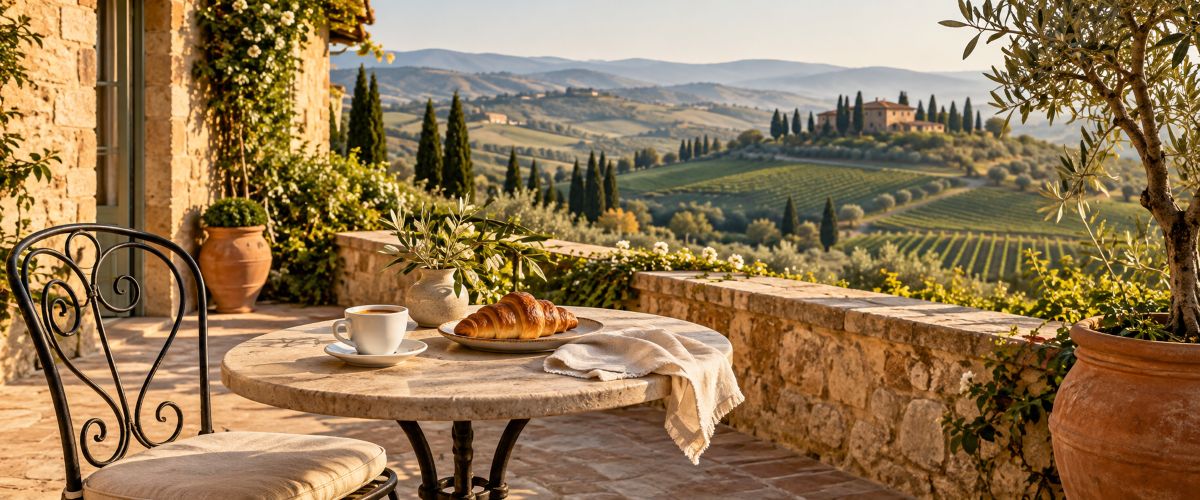
Travel Tips for Italy: How to Embrace the Italian Lifestyle
Travelling through Italy is about much more than visiting famous landmarks, photographing historic buildings or tasting a plate of fresh pasta. The real beauty of the country reveals itself when you slow down, observe local habits and begin to experience daily life the Italian way.
Italy is a collection of regions, traditions and communities, each with its own rhythm. Customs can change noticeably as you travel from north to south, from a large city to a quiet hill town or from the countryside to the coast. The best travel experiences often come from accepting these differences rather than expecting everything to work as it does at home.
Here are some practical travel tips to help you enjoy Italy with greater confidence, respect and curiosity.
Remember That You Are a Guest
One of the most important rules of travelling in Italy is also one of the simplest: respect the local culture.
Daily schedules, restaurant service, transportation and shopping habits may feel unfamiliar. Some businesses close during the afternoon. Meals are served later than visitors may expect. Service can appear relaxed rather than rushed.
These differences are not inconveniences that need to be corrected. They are part of the Italian lifestyle.
Approach them with patience and good humour. A polite greeting, a few Italian words and a willingness to adapt can completely change the way local people respond to you.
Slow Down and Follow the Local Rhythm
Italian life is not always organised around speed. Coffee may be enjoyed while standing at a neighbourhood bar. Lunch can last longer than expected. Evening walks are often treated as part of the day rather than as wasted time.
Visitors sometimes try to fit too much into a single itinerary. They rush from one attraction to another and return home with hundreds of photographs but very few meaningful memories.
Leave some empty space in your schedule. Sit in a piazza. Walk through a residential neighbourhood. Visit a local market. Stop for a simple drink before dinner.
Italy often becomes most memorable when nothing in particular is happening.
Dress Neatly and Respectfully
Italian style is known for looking polished without appearing overly complicated. You do not need expensive clothing, but clean, well-fitting and thoughtfully chosen pieces will help you feel comfortable in most situations.
Very casual sportswear, worn-out clothing or beachwear may look out of place away from resorts and coastal areas. Lightweight trousers, simple dresses, linen shirts, comfortable leather shoes and a smart jacket are practical choices.
A scarf can also be useful. It adds colour to an outfit, provides warmth during cooler evenings and may help cover the shoulders when entering religious buildings.
When visiting churches and sacred sites, dress respectfully. Some locations may require shoulders and knees to be covered.
Choose Comfortable Shoes
Italian streets are beautiful, but they are not always kind to your feet. Historic centres often have cobblestones, steep paths, uneven pavements and long stairways.
Comfortable walking shoes are essential. Choose footwear that has already been worn and tested rather than bringing a new pair for the first time.
Stylish shoes are wonderful for dinner or an evening out, but dependable walking shoes will be your closest companions during the day. In Italy, elegance matters—but so does reaching the top of the hill without regretting every life decision.
Prepare for the Weather
Italian weather varies considerably by region and season. Northern cities may experience cold winters and humid summers, while southern areas can remain warm for much of the year.
Summer temperatures can become intense, particularly in cities and inland destinations. Carry water, wear breathable clothing and plan outdoor sightseeing for the morning or late afternoon when possible.
A hat, sunglasses and sun protection are useful during warmer months. A light jacket or compact umbrella can be valuable during spring and autumn.
Check the local forecast before travelling between regions. The weather in the mountains may be very different from conditions along the coast.
Appreciate Regional Food
Italian cuisine is deeply regional. The dishes served in one part of the country may be difficult to find—or prepared very differently—in another.
Coastal communities celebrate fresh seafood. Mountain regions may feature rich cheeses, mushrooms and hearty meat dishes. Other areas are known for olive oil, citrus fruit, wine, cured meats, handmade pasta or traditional sweets.
Instead of searching for the same familiar dishes everywhere, ask what the region is known for. Local specialities often provide a better and more authentic experience than foods designed mainly for visitors.
Eat What Is in Season
Traditional Italian cooking depends heavily on fresh, seasonal ingredients. A restaurant may not offer a particular vegetable, fruit or dish because it is unavailable locally or not at its best during that season.
This is usually a sign of honesty rather than poor service.
Menus may change according to the market, the weather and the daily supply of ingredients. Embrace this approach and consider ordering the restaurant’s seasonal recommendation.
When food has travelled only a short distance from a nearby farm, fishing boat or family producer, simplicity becomes its greatest strength.
Discover Local Products
Every Italian region takes pride in what it grows, produces and creates. These regional products are often closely connected to local history and identity.
Depending on where you travel, you may encounter:
-
Olive oil produced from nearby groves
-
Wine made from regional grape varieties
-
Handmade ceramics
-
Traditional leather goods
-
Local cheeses and cured meats
-
Citrus products and preserves
-
Artisan textiles
-
Regional pastries and sweets
Speak with farmers, craftspeople and small shop owners whenever possible. Many are proud to explain how their products are made and why they are important to the area.
Buying directly from local producers can also turn a simple souvenir into a meaningful memory.
Respect the Connection to the Land
In many parts of Italy, everyday life remains strongly connected to agriculture, local ingredients and traditional knowledge.
Herbs may be gathered from nearby hills. Lemons may come from a family garden. Olive oil may be produced by relatives or neighbours. Recipes are often adapted according to what the season provides.
This practical relationship with the land is one of the most beautiful elements of the Italian lifestyle. Ingredients are valued, waste is discouraged and simple foods are treated with respect.
Travellers can learn from this attitude by paying attention to where food comes from and appreciating the work behind it.
Learn a Few Italian Words
You do not need to speak fluent Italian to travel comfortably, but a few basic expressions can make a significant difference.
Useful words and phrases include:
-
Buongiorno – Good morning or good day
-
Buonasera – Good evening
-
Per favore – Please
-
Grazie – Thank you
-
Mi scusi – Excuse me
-
Il conto, per favore – The bill, please
-
Parla inglese? – Do you speak English?
Begin conversations with a greeting rather than immediately asking a question. This small gesture is considered polite and often leads to a warmer interaction.
Understand Italian Dining Habits
Meals in Italy generally follow a slower and more deliberate pace. The table is a place for conversation, connection and enjoyment.
Do not expect restaurant staff to bring the bill immediately after you finish eating. In many places, you need to request it.
Coffee culture also has its own customs. Milk-based coffee drinks are commonly enjoyed in the morning, while espresso is often ordered after lunch or dinner.
Tipping practices are usually more modest than in some other countries. Check whether a service or cover charge is already included before leaving an additional amount.
Expect Different Opening Hours
Opening hours in Italy can vary by city, region and season. Smaller businesses may close during the afternoon and reopen later. Family-run restaurants may close one or two days each week.
Public holidays, local festivals and seasonal schedules can also affect availability.
Check opening times before making a special journey, particularly when visiting smaller museums, rural attractions or independent shops.
Flexibility is useful. A closed door may lead you towards an unexpected café, market or side street that becomes one of the highlights of your trip.
Dogs Are Part of Daily Life
Dogs are commonly seen in public spaces across Italy. Depending on local rules, they may be welcome on public transport, in shops, at outdoor cafés and sometimes inside restaurants.
Travellers with pets should check transportation and accommodation policies in advance. Requirements may differ between regions and individual businesses.
Even when animals are accepted, responsible behaviour is expected. Keep dogs under control, carry the necessary documents and respect signs indicating restricted areas.
Use Public Transport with Patience
Italy has an extensive train and public transport network, but not every journey runs with perfect precision.
Allow extra time for connections, particularly when travelling through smaller towns or using regional services. Validate paper tickets when required and keep digital or printed booking details accessible.
In historic centres, walking is often the easiest and most enjoyable way to explore. Many streets were built centuries before modern traffic and may be restricted to authorised vehicles.
Travelling slowly can sometimes be more rewarding than trying to cover the greatest possible distance.
Accept That Plans May Change
Travel in Italy rewards flexibility. A sudden closure, transport delay, change in weather or fully booked restaurant does not need to ruin the day.
Adapt your plans. Explore a different neighbourhood. Ask a local person for a recommendation. Try the small restaurant around the corner instead of the famous one in the guidebook.
Some of the finest travel memories are born from plans that did not work.
Travel with Curiosity, Not Comparison
It is natural to compare another country with home, but constant comparison can prevent you from understanding what makes a destination special.
Italy does not need to function like somewhere else. Its slower meals, regional loyalties, traditional businesses and occasional unpredictability are part of its identity.
Observe before judging. Ask questions. Listen to local people. Let the country introduce itself in its own way.
Final Thoughts
The best way to experience Italy is not simply to visit it, but to participate in its rhythm.
Eat seasonal food. Walk slowly. Dress with care. Appreciate local craftsmanship. Learn a few Italian words. Speak to the people who live there and leave room in your itinerary for the unexpected.
Do not travel to Italy expecting it to feel exactly like home. Travel because it does not.
When you embrace the Italian lifestyle with patience, respect and an open mind, the journey becomes more than a holiday. It becomes a lesson in how to notice beauty, value simplicity and enjoy the present moment.